How does an electrician find an electrical problem?
The symptom you notice is rarely where the fault is. A dead bedroom outlet might be downstream of a tripped GFCI in a bathroom, or of a loose connection in a different outlet on the same circuit. So most repair visits follow the same steps:
- Symptoms first. When it started, which rooms are affected, and what was running at the time.
- Trace the circuit. Which breaker feeds the problem, and what else is on it.
- Test. Testers and meters show where power stops, whether the circuit is overloaded, and whether grounding is in place.
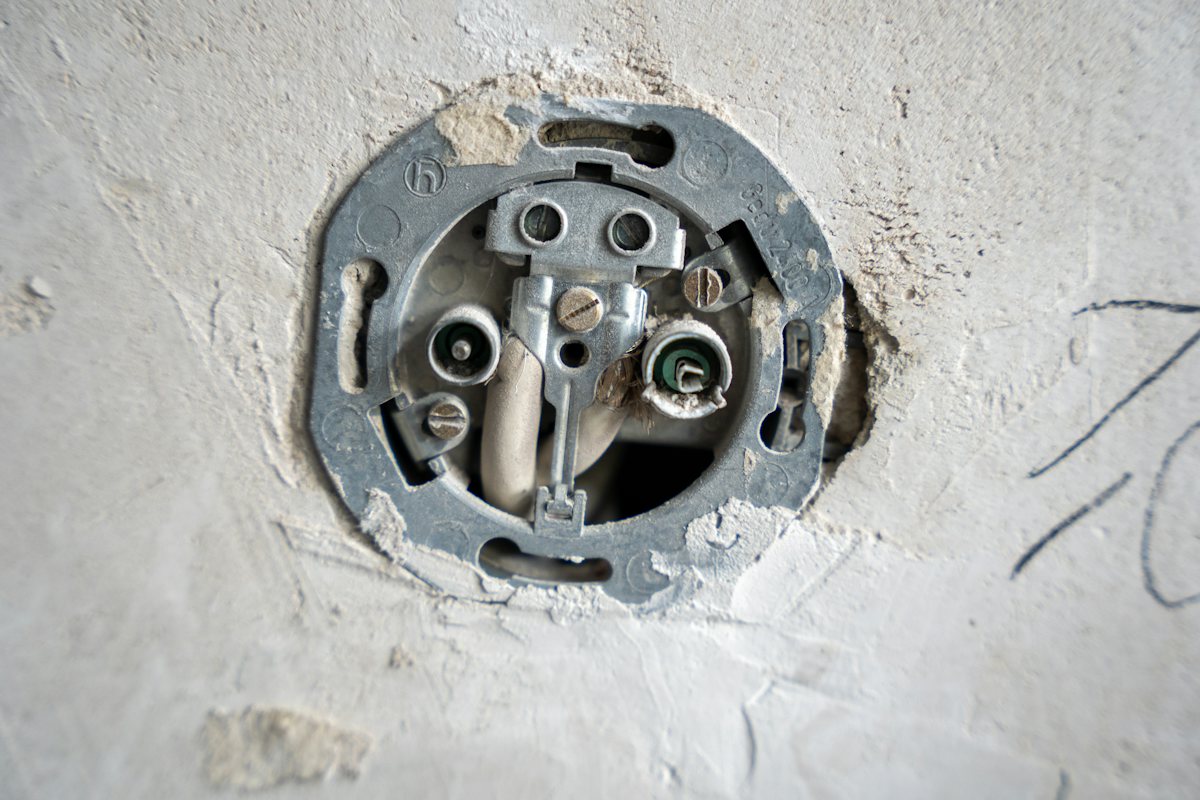
- Open it up. Cover plates, fixtures, and junction boxes come off so the connections can be checked.
- Fix it. That could mean tightening a connection, replacing a worn outlet or switch, replacing a failed breaker, or repairing damaged wire.
- Retest under load to confirm the fix holds.
What problems need an electrical repair?
- Outlets or switches that stopped working
- A GFCI outlet that won't reset
- Breakers that trip when nothing unusual is running
- Lights that flicker or dim in one room or across the house
- Switches or outlets that buzz, feel warm, or look scorched
- Loose outlets where plugs fall out
- Shocks or tingles from a switch, fixture, or appliance
- Wiring damaged by a renovation, rodents in the attic, or a roof leak
For burning smells, smoke, sparks, or a breaker that trips the instant you reset it, leave the circuit off and call right away.
What if only half the house has power?
This one needs a different first call. If some rooms are dead while others work, or lights get unusually bright or dim when big appliances start, the problem can be on the utility side, such as a damaged service line or a lost neutral. Call KUB at 865-524-2911 first, as its power outage guide lists for reporting problems. If KUB finds its equipment is fine, the issue is in your service equipment or panel, and that's an electrician's job.
KUB's service repair handout explains the split. KUB maintains the meter and the line from the pole. The homeowner maintains the weatherhead, service cables, and meter socket, so damage to those needs an electrician before KUB restores service.
Why do electrical problems happen in Knoxville homes?
Loose connections. Wires expand and contract with every load. Over years, terminal screws loosen, and older "backstab" outlets, where the wire pushes into a hole on the back, are especially prone to it. A loose connection heats up, which is why it often shows up as a warm outlet or flickering light first.
Overloaded circuits. Many older Knoxville homes have only a few circuits for the whole house. Space heaters, window units, and kitchen appliances on one circuit will trip it.
Worn devices. Outlets lose their grip, switches wear out, and GFCI outlets fail after years of service.
Old wiring. More than 4 in 10 Knoxville homes were built before 1970, per NeighborhoodScout. That means plenty of brittle insulation, ungrounded circuits, and some aluminum branch wiring with connections that loosen over time.
Humidity and water. Muggy summers, wet basements, and roof leaks lead to corroded outdoor outlets and GFCIs that trip in damp weather.
Storms and surges. Lightning and power surges can damage outlets, GFCIs, and electronics, and wind can pull on the service cables at the house.
Past DIY work. Undersized wire, missing boxes, and reversed connections are common finds.
What affects the cost of an electrical repair?
An electrical repair is priced by what the problem turns out to be. The main factors:
- Time to find it. A visible bad outlet is quick. An intermittent fault inside a wall takes longer.
- Access. Plaster walls, finished ceilings, and tight attics slow things down.
- Parts, from a single receptacle to a breaker or a run of new cable.
- What else turns up. Opening a box can reveal damage that has to be fixed for safety.
- Permits for work beyond a simple device swap.
- Urgency. After-hours calls can cost more.
Ask what the diagnostic or trip charge covers and whether it's credited toward the repair.
When does an electrical repair turn into a bigger job?
A repair is right when the fault is isolated: one bad outlet, a loose wire, a failed breaker. It turns into something bigger when the same circuit keeps having problems, several rooms show signs of brittle or ungrounded wiring, or the panel itself is failing. In those cases, home rewiring or a panel upgrade fixes the cause instead of the symptom. A good electrician tells you which one you're facing.
Frequently asked questions
Why does my breaker keep tripping?
Usually an overloaded circuit, a short in something plugged in, or a loose or damaged wire. Unplug what's on that circuit and reset it once. If it trips again right away, leave it off and call an electrician.
Why won't my GFCI outlet reset?
Either it has worn out, there's a fault or moisture downstream, or there's no power reaching it. Check for another tripped GFCI or breaker first. If it still won't reset, it needs testing.
Is a warm outlet dangerous?
Yes. A warm outlet or switch plate usually means a loose connection or an overloaded circuit, and heat is how electrical fires start. Turn off the circuit and have it checked.
Can I replace an outlet myself in Knoxville?
In the City of Knoxville, electrical work generally needs a permit pulled by a licensed electrician or by a homeowner who qualifies for the city's owner-occupied single-family exemption. If you're unsure, call the city at 311 or 865-215-2857 before starting.
What causes lights to flicker throughout the house?
Flickering in many rooms can point to a loose connection in the panel or at the service, or a problem on the utility side. If it comes with dimming when big appliances start, call KUB first and then an electrician.
Get an electrician out to your Knoxville home
Call to describe the problem or the project, or send the form. Someone will call back to set a time to look at it.